Natural Texture of Ghee & The Science Behind Granulation
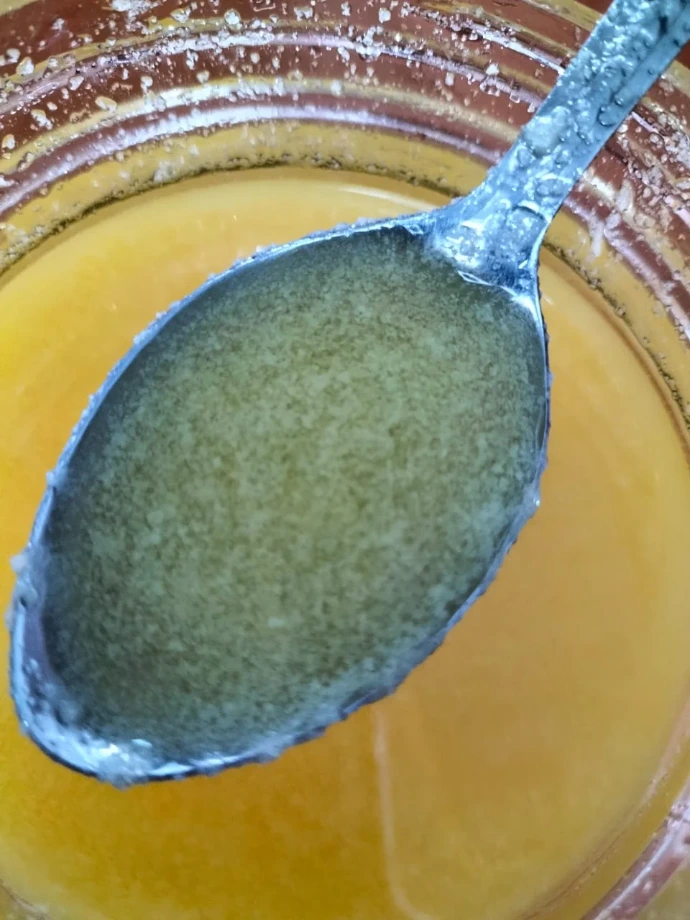
Varied textures for Ghee - right from full liquid granulated, semi liquid granulated, small negligible granules to paste-wax like texture; is natural and should not be a matter of concern
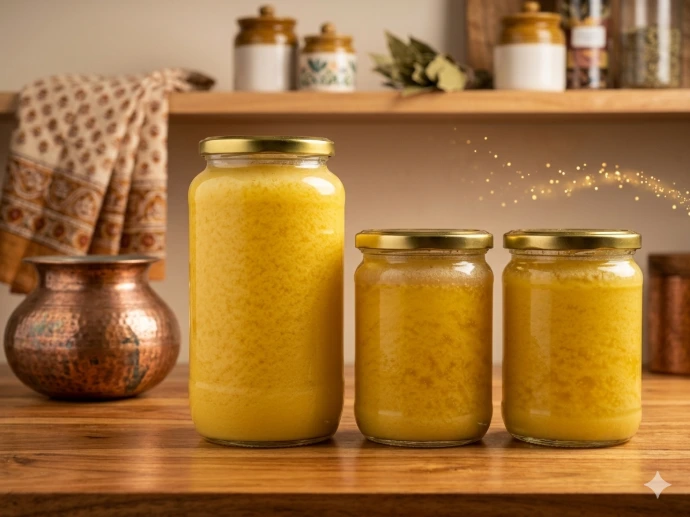
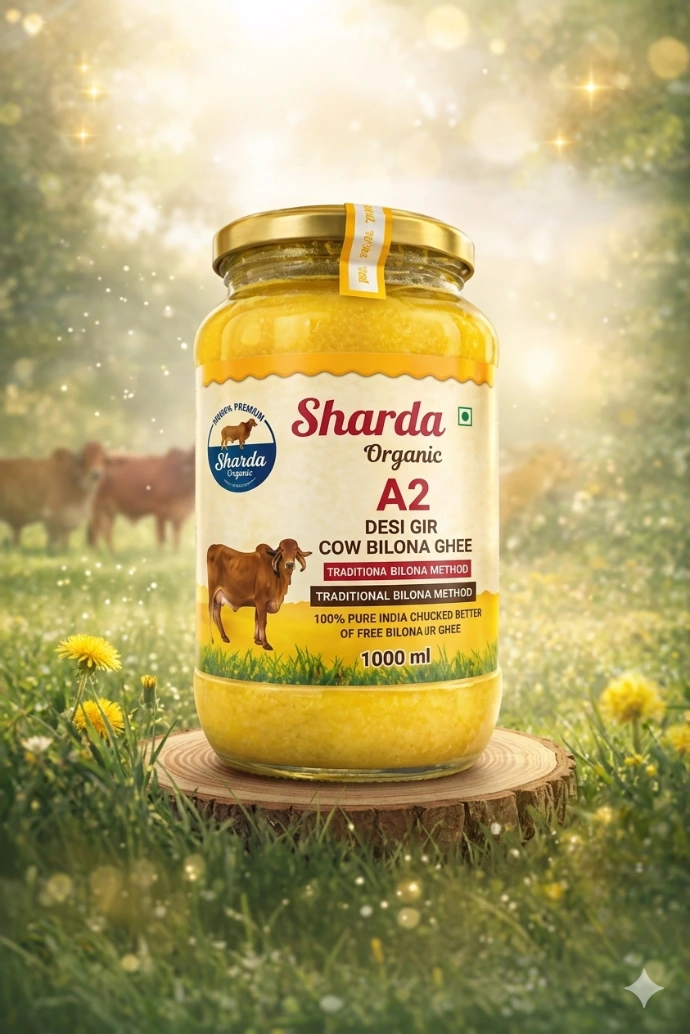
Granulation in Sharda A2 Gir Cow Ghee is a natural phenomenon and a sign of purity. It occurs due to the natural fatty acid composition of traditional cow ghee and does not affect its quality, taste, or nutritional value
There are many reasons for this:
- The Ghee is made from Curds formed by directly culturing fresh Cow's milk and not by using collected cream. The resulting ghee is light on the stomach and easy to digest.
- When stored at room temperature (30-32 deg celsius), it retains the liquid consistency, and if there is drop in temperature or if stored in a refrigerator, it could slightly attain a semi solid thicker consistency.
- The texture of the ghee also varies a lot depending on the process, storage conditions and ambient temperature - when stored at temperatures between 18-22 deg celsius, granule formation happens.
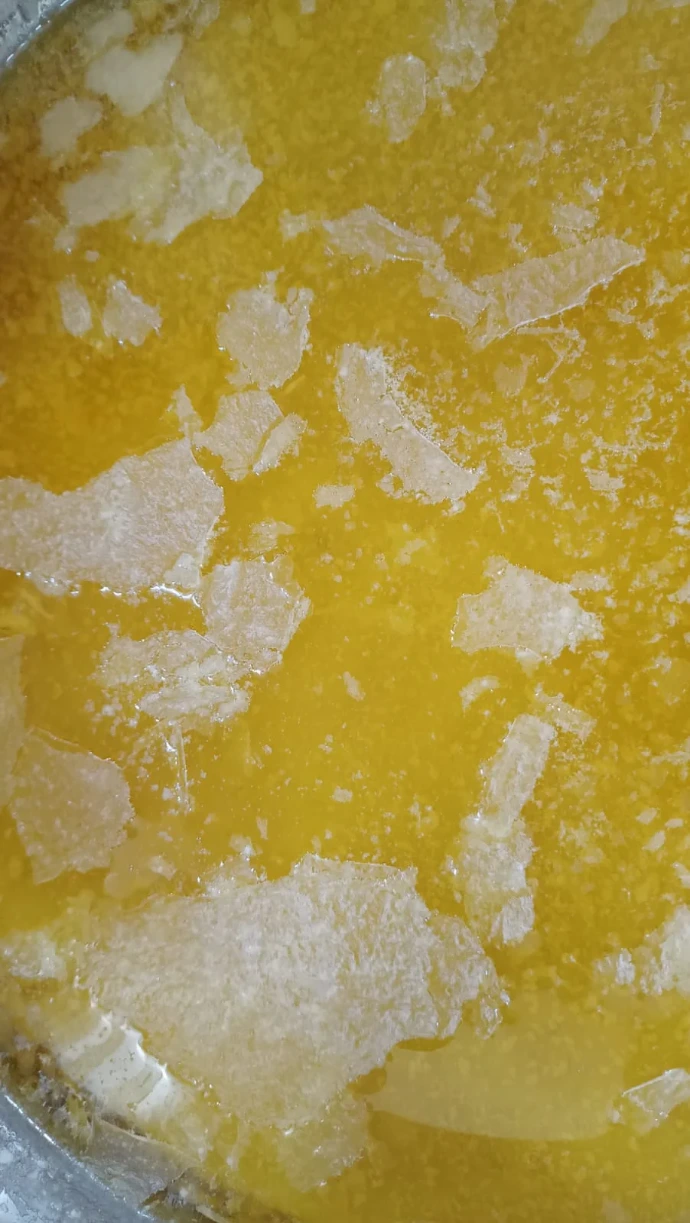
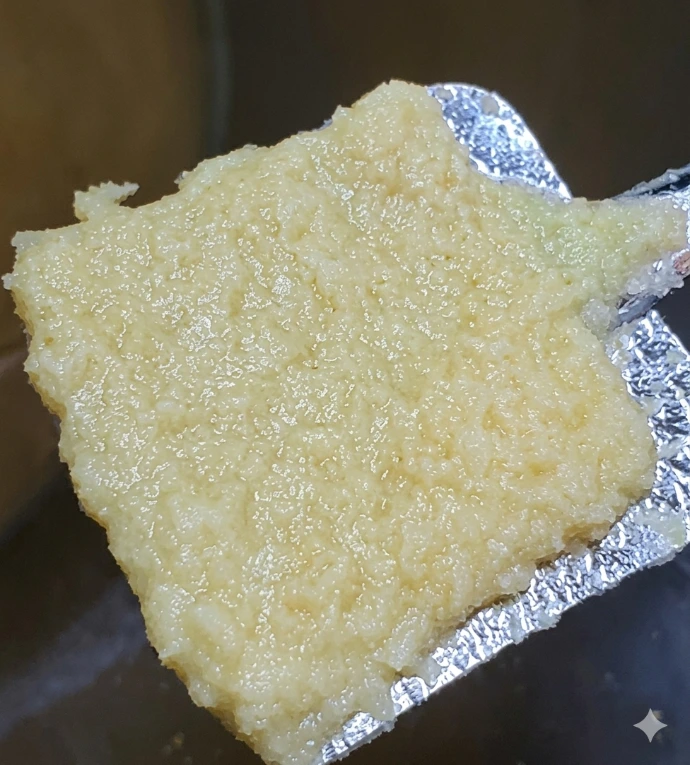
Then if the Ghee is exposed to an increase in room temperature (32-35 deg) this granular texture is affected. Storing again in the fridge will change the texture and further exposure to higher temperatures will largely alter the texture. The inconsistencies in storage temperature makes the texture almost waxy or like a paste as shown in the picture below. It's important however, to note that this DOES NOT have any impact on the quality of the Ghee.
SHARDA ORGANIC
The Organic Way of Life
prepared the traditional way will have small-to-medium sized soft grains evenly suspended throughout a mild-to-deep golden yellow medium with its characteristic nutty aroma!
.